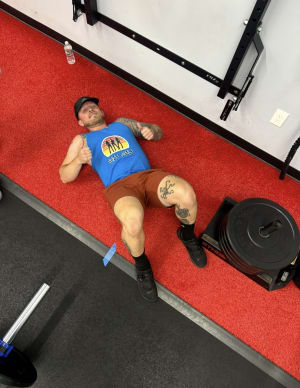
At SIN, we love the motivation. We love the consistency. We love that so many of you want to be here more. But let’s talk about something important: doing two classes back-to-back. This isn’t about limiting you. It’s about helping you get the best results possible — safely, effectively, and long-term. And most of the time, doubling up on classes works against your progress, not for it. To be clear: we are not talking about pairing a class with yoga or mobility. Recovery-based sessions are different. We’re talking about taking two regular classes in a row — whether that’s strength, kickboxing, bootcamp, or any combination. Here’s why we don’t generally recommend it. If you’re pushing yourself the way we coach you to push yourself — with intention, focus, and effort — your body should not have enough left in the tank to repeat that same output immediately after. When someone can “crush” two classes back-to-back, one of two things is usually happening: The first class wasn’t actually pushed to full effort The second class becomes more about just getting through it Neither one leads to better results. Quality beats quantity every single time. This is especially important on strength-focused days. When you lift weights, you’re not just getting tired — you’re creating microscopic muscle damage that your body must repair. That repair process is what leads to muscle growth, improved strength, and better performance. Stacking strength-based classes limits recovery time and increases fatigue in your nervous system. Over time, that can mean: Plateaued progress Lingering soreness Increased risk of strains or tweaks Decreased performance in future workouts Getting stronger isn’t about how much you can stack into one day. It’s about how well your body adapts between sessions. As fatigue sets in, form starts to break down — even if you don’t realize it. Heels lift. Core disengages. Shoulders round. Knees cave. You might still be moving, but you’re not moving well. That’s when minor issues turn into nagging injuries. And the goal is always longevity. We want you training consistently for years — not sidelined because of preventable overuse. This one can be hard to hear, especially if you’re motivated. But more classes do not automatically equal better results. Progress happens during recovery. Without adequate recovery, your body doesn’t adapt — it just accumulates stress. Training hard is important. Recovering well is equally important. Physical burnout is real. But so is mental burnout. When workouts start feeling like something you have to stack instead of something you get to do, that’s usually a sign that balance is off. Consistency that feels sustainable will always outperform short bursts of overdoing it. This part is less talked about, but it matters. If you’re signed up for a second class that you know you won’t be able to fully give effort to, that spot may be preventing someone on the waitlist from getting into a class they’re ready to show up for 100%. We share space. We share equipment. We share class spots. Being intentional with your schedule helps everyone win. There are situations where pairing sessions makes sense — for example: Strength + yoga Kickboxing + mobility A class followed by dedicated recovery work That’s different from stacking two full classes that both demand output. And just as important? Active rest days. Walking. Stretching. Mobility. Light movement. Giving your body space to adapt. Rest days are not time off. They are part of training. If you’re truly giving effort in class, you shouldn’t feel like you need another one immediately after. Our goal at SIN isn’t to see how many classes you can fit into one day. It’s to help you: Get stronger Move better Stay injury-free Make consistent progress And enjoy the process Train hard. That’s how results last.1. You Can’t Truly Give 100% Twice
2. Strength Training Requires Recovery
3. Fatigue Changes Your Movement
4. More Isn’t Always Better
Muscles rebuild. Energy systems restore. Hormones rebalance. Your nervous system resets.5. It Can Lead to Burnout
6. It Impacts the Community
So What Is Okay?
The Bottom Line
Recover well.
Repeat.